

Mapping the Nocturnal Transit Corridor of Tītī Across the Auckland–Northland Isthmus - Project Report released from The Seabird Trust
The first season of the tītī / Cook’s petrel Mainland Flyway project has revealed important new insights into this little‑known nocturnal movement corridor across the Auckland–Northland Isthmus. Drawing on more than 250 community‑submitted observations, the project provides the first region‑wide picture of how tītī traverse coastal, inland, and urban landscapes during the breeding season. From these data, four key findings emerge that clarify the spatial extent, timing, ecological significance, and management implications of this remarkable flyway.
Below is a summary of the four keys findings and a link to the full project report.
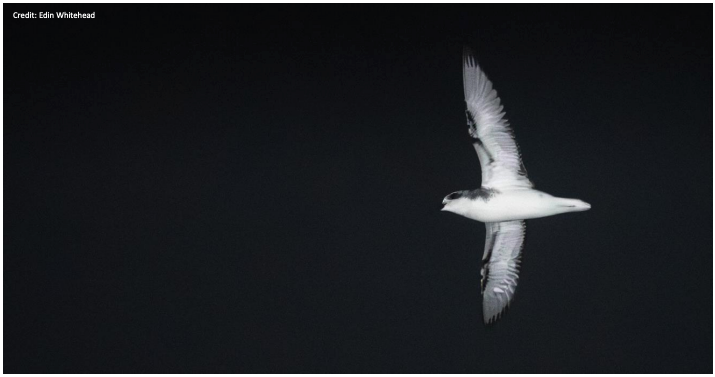
Photo credit: Eden Whitehead.
1. The mainland flyway is wider and more complex than previously recognised
Community reports revealed tītī movements spanning a broad region — from west coast sites like Muriwai and South Head to eastern locations such as Mangawhai, Leigh, and Tāwharanui, plus inland areas and offshore islands. This provides the first region‑wide picture of a large, multi‑route overland corridor.
2. Most tītī movements occur shortly after sunset, with notable variability
Preliminary analysis shows peak activity in the first hours of darkness, but detections from dusk through early morning indicate flexible movement timing likely influenced by breeding stage, weather, and individual behaviour.
3. The flyway brings seabirds into close proximity with human settlements and potential hazards
Tītī regularly traverse both coastal and inland urbanised landscapes, increasing exposure to risks such as light disorientation, collisions, and predation — with implications for planning around infrastructure like wind farms.
4. The corridor has wider ecological significance and strong community engagement
The flyway likely supports multiple seabird species, including critically endangered tara iti. The citizen‑science approach generated over 250 reports, demonstrating both the method’s effectiveness and high public interest, establishing a strong foundation for ongoing monitoring and management.
