Travelling to Aotea
Help Protect Aotea - Before You Arrive
Small checks. Big impact.
Everyone travelling to Aotea / Great Barrier Island plays a role in protecting the island’s unique environment. Pests and weeds most often arrive through everyday activities such as luggage, freight, vehicles, equipment, and supplies. Once established, they can be extremely difficult to remove. Preventing their arrival is one of the most effective ways to protect Aotea’s ecosystems and wildlife.
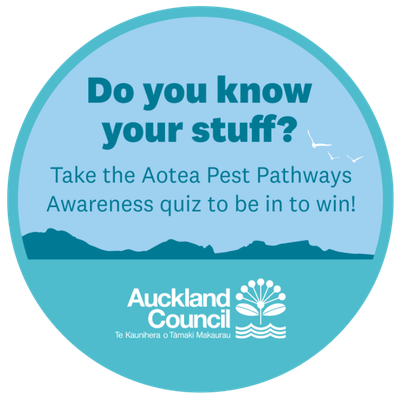
Know The Biosecurity Risks?
Test Your Knowledge.
The Aotea Pest Pathways Awareness Quiz helps visitors and residents better understand biosecurity risks and how to reduce them. It also provides valuable insight into where awareness may be lacking, helping improve future education and resources.
-
Check and clean bags, footwear, and outdoor gear
Shake out clothing and equipment
Inspect freight, boxes, and supplies
Remove soil, seeds, and insects
-
Pack items securely
Avoid transporting high-risk materials where possible
Store goods in sealed containers
Carefully check vehicles, trailers, and machinery
-
Stay alert for anything unusual
Report sightings of pests or weeds early
Follow local guidance and signage
What You Can Do
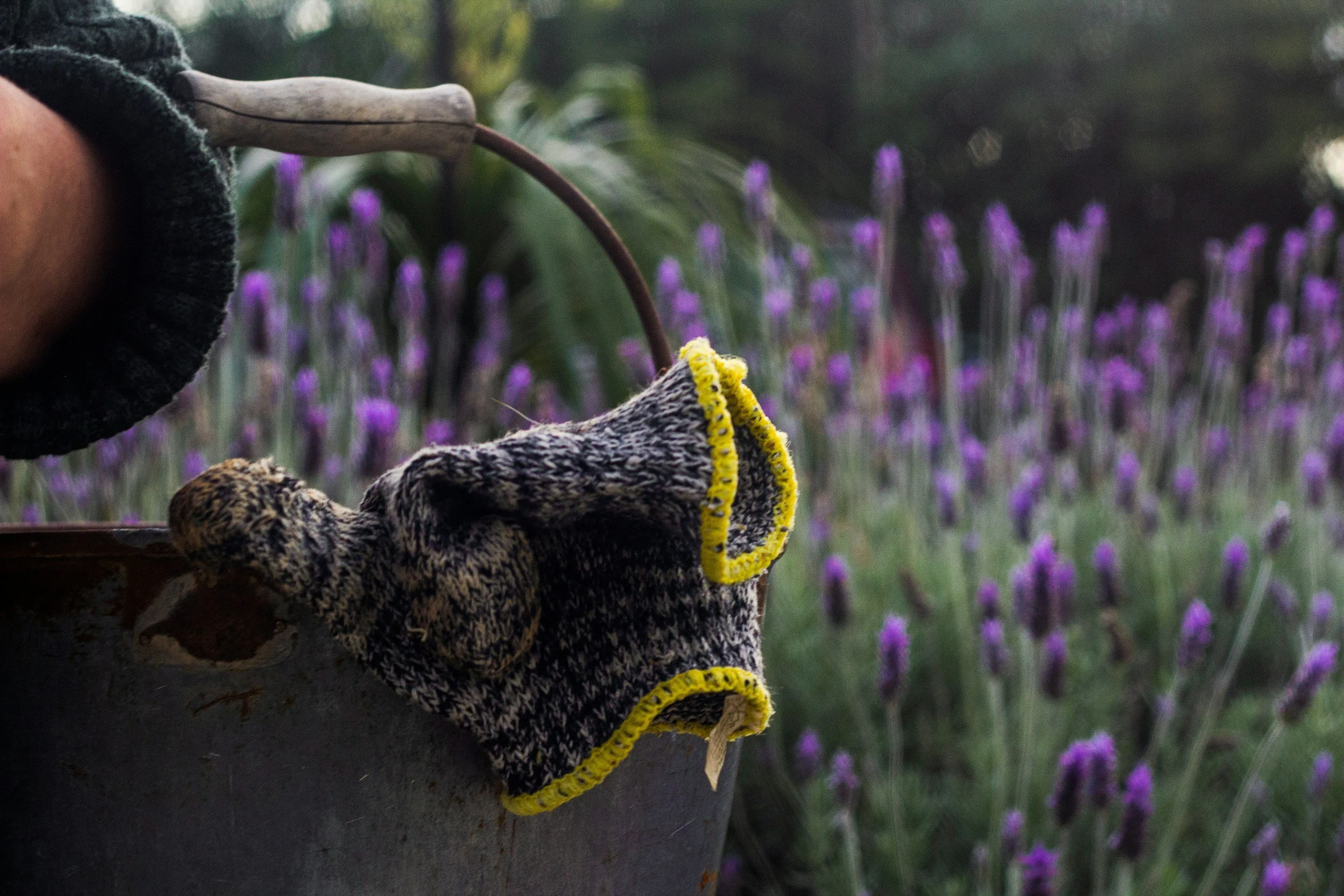
Biosecurity risks can also arise through everyday activities such as:
Gardening and planting
Moving soil or compost
Vehicle and machinery movement
Seasonal changes that increase pest activity
Preventing new pests supports conservation, restoration, and species protection across the island.
How Pests Reach Aotea
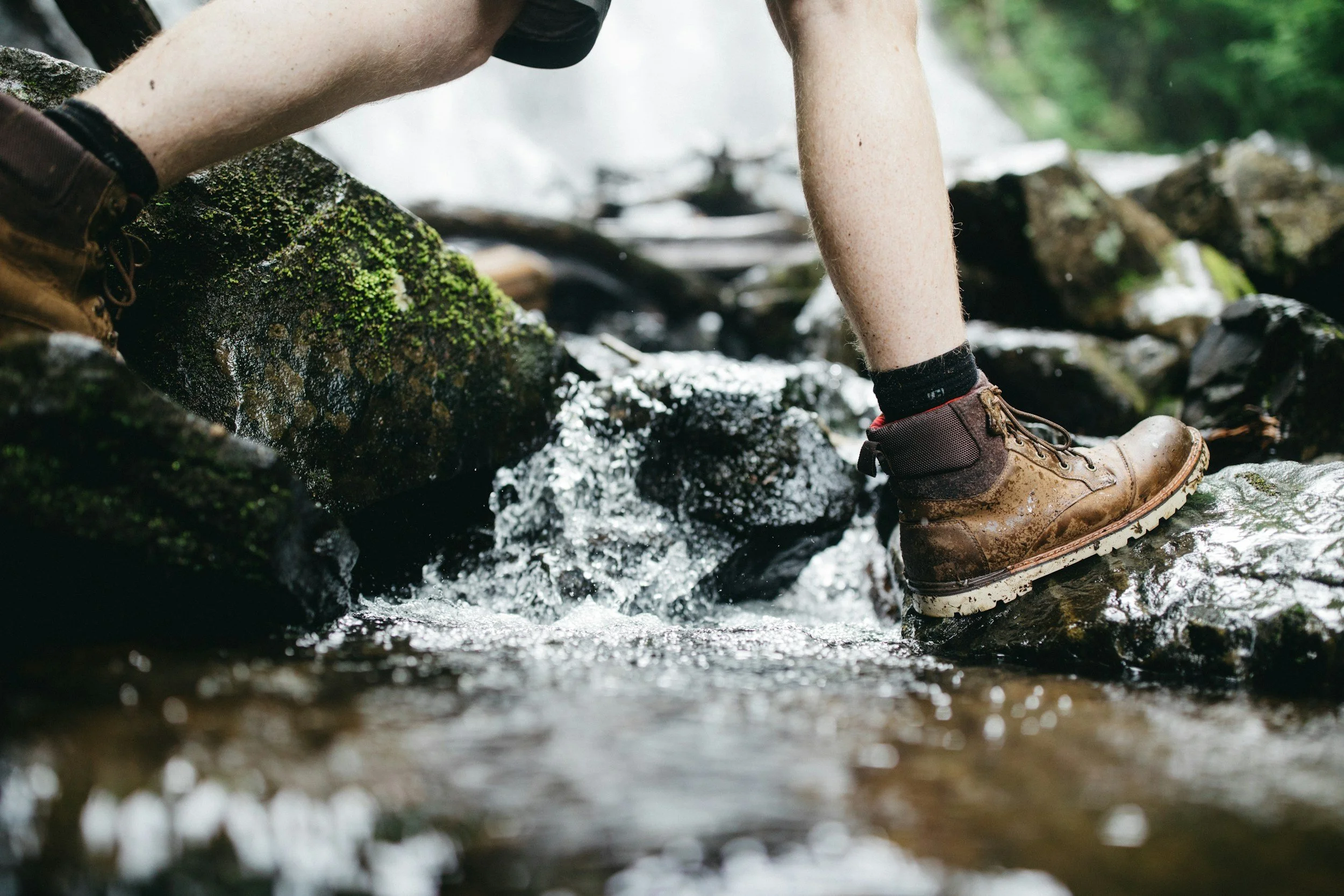
Pests and weeds can be accidentally transported via:
Bags, luggage, and footwear
Freight, parcels, and building materials
Vehicles, trailers, and machinery
Camping, fishing, and gardening equipment
Fresh produce and supplies
Understanding these pathways helps prevent new incursions before they happen.
Common Pest Pathways
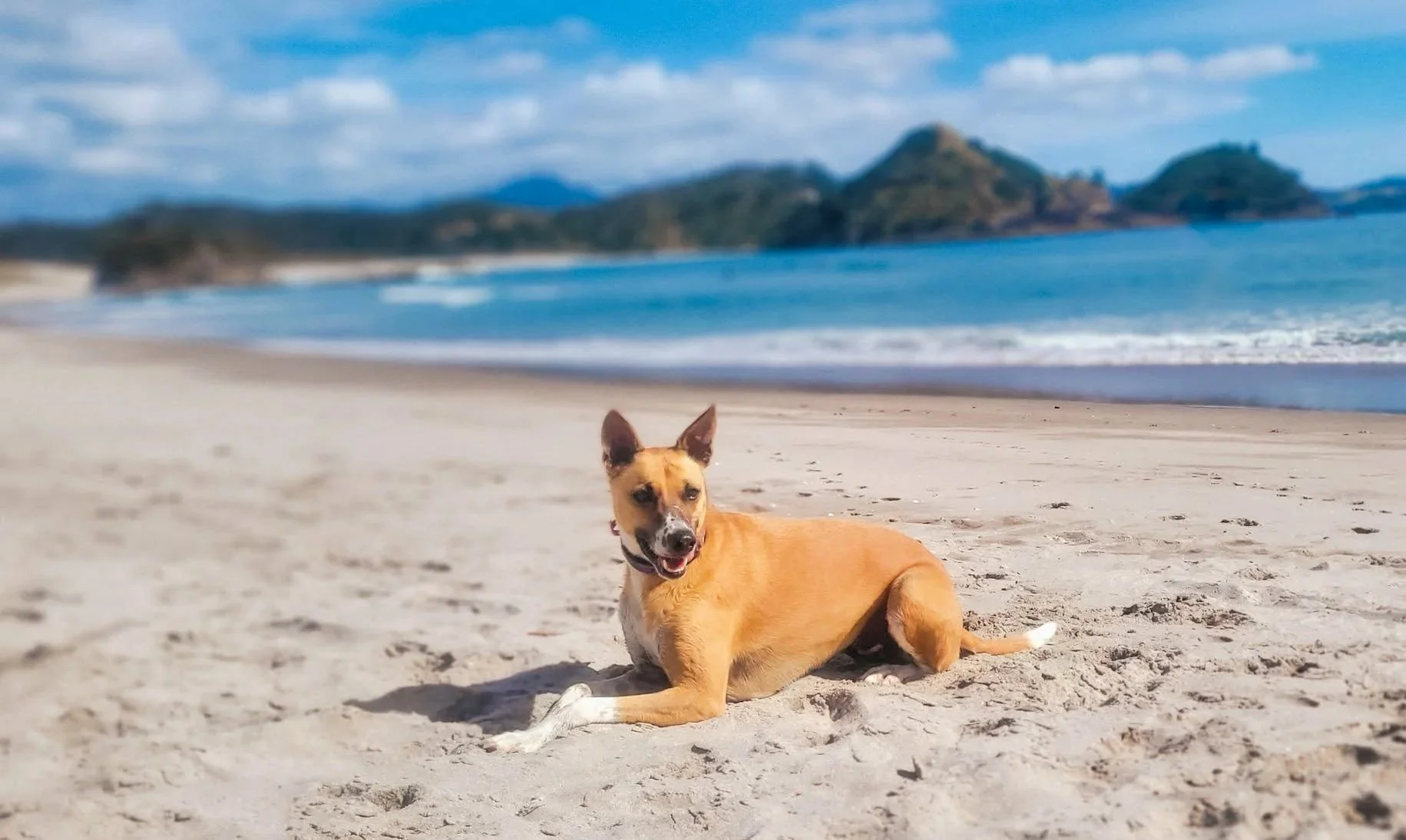
Bringing Your Pets To Aotea?
Pets are part of the family — but on Aotea they can have a big impact on native wildlife. Learn how to care for your cats, dogs, and companion animals responsibly to help protect ground-nesting birds, lizards, and other taonga species.