Responsible Pet Management
Protecting Our Precious Ecosystems And Your Pets
Pets are cherished members of our families—but on Aotea Great Barrier Island, they can also have a big impact on our unique native wildlife. This page offers practical tips and guidance to help you enjoy owning or bringing a pet to Aotea while reducing harm to ground‑nesting birds, lizards, and other taonga species. By managing cats, dogs and other companion animals responsibly, we can all contribute to a safer, healthier environment for both our pets and the island’s precious ecosystems.
Cats
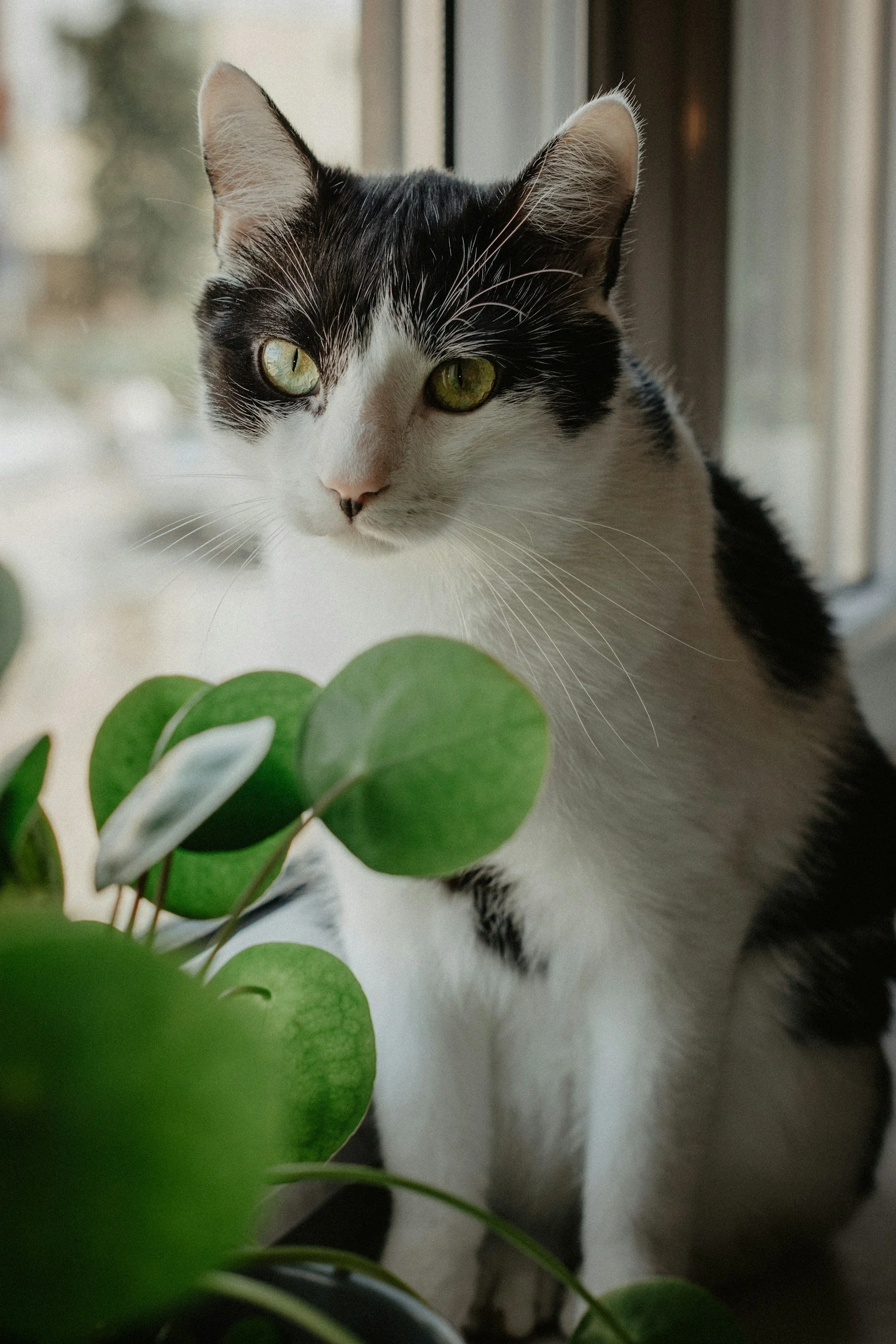
Own a pet cat?
Learn how you can keep your pet cat and our taonga species safe with Aotea Safe Cat here.

Information for Visitors
Did you know…
While not prohibited, visitors are strongly encouraged not to bring cats to the island due to conservation efforts to eradicate feral cats.
Cats can pose a threat to the island’s unique and vulnerable wildlife.
To keep your pet cat safe it is best to leave them at home when you come on holiday to Aotea.
However, if you do bring your pet cat, it’s crucial to manage them responsibly to keep both your cat and Aotea’s taonga species safe.
Dogs
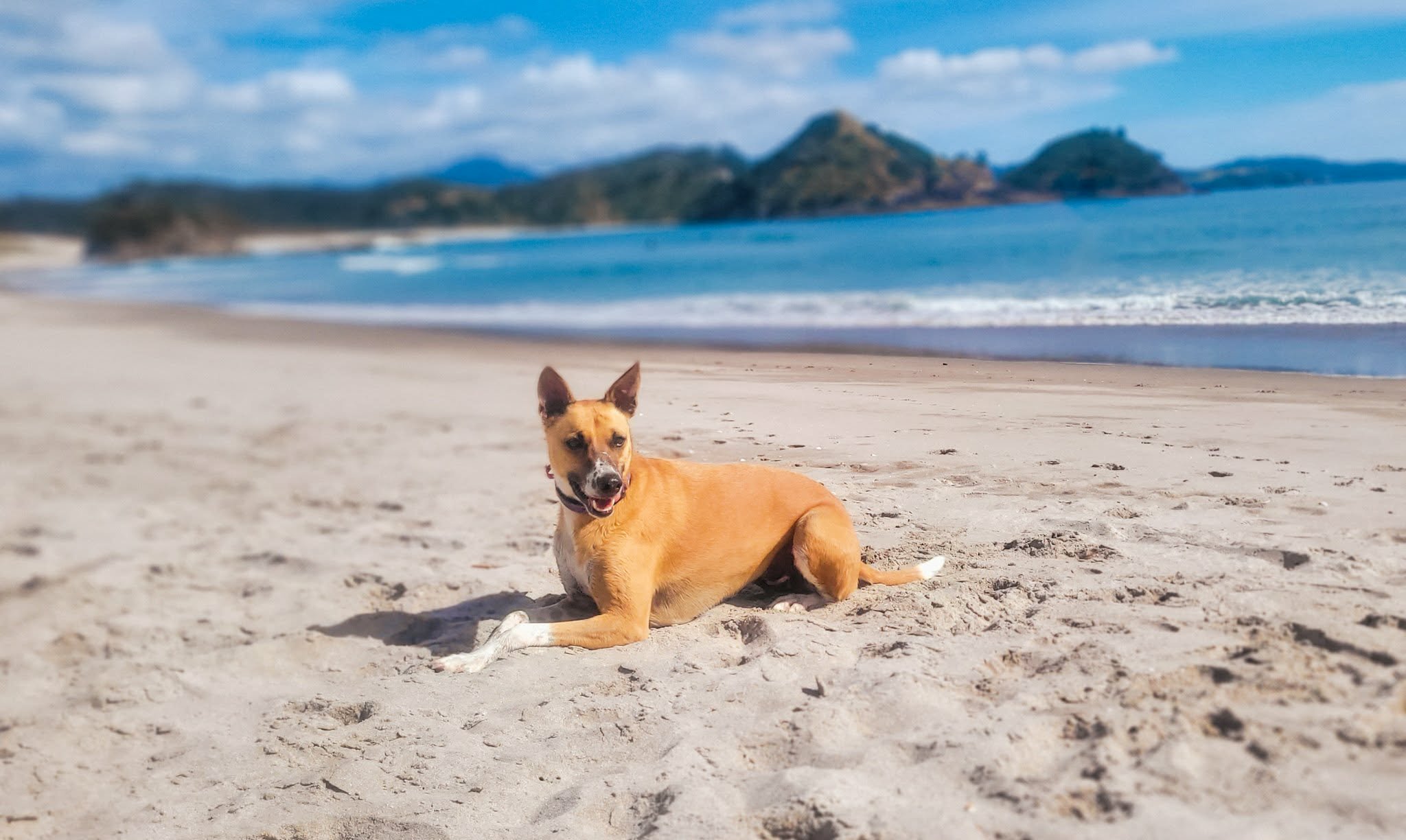
Protect coastal and ground-nesting birds by managing your dog responsibly.
-
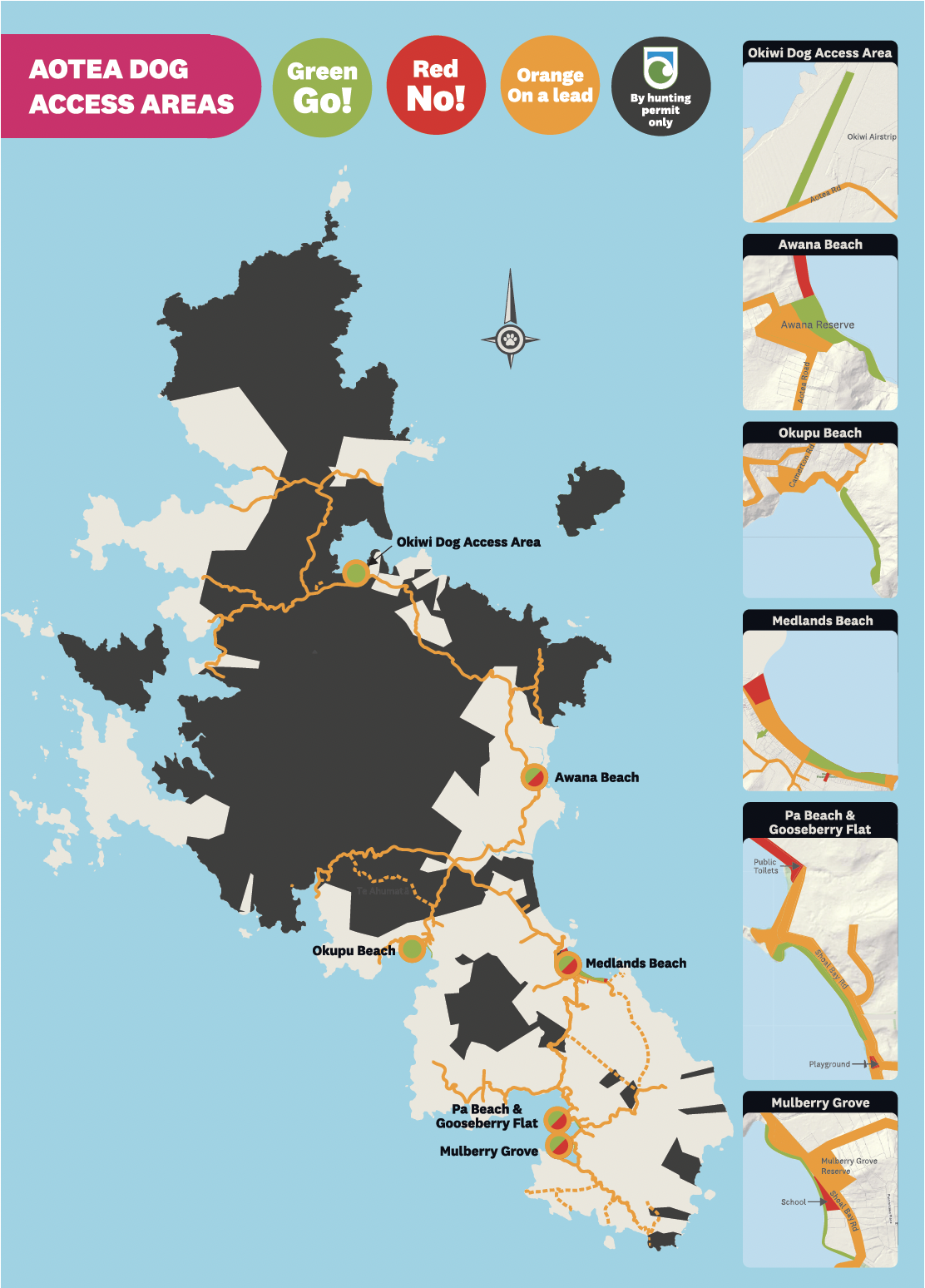
Know the designated dog exercise areas (see below) and follow local rules.
Discourage your dog from chasing birds on beaches, reserves, parks, or tracks.
Join a puppy or dog training group to learn effective control techniques.
Ensure your dog wears a collar with identification tags.
Provide appropriate shelter and a balanced diet.
Keep your dog on a leash in coastal areas where native birds are nesting.
Auckland Council and DOC offer free Bird Aversion Training courses for dogs. Check out our events calendar. Contact Auckland Council or DOC for more information (details below).
If you see a wandering dog or inappropriate behaviour (such as chasing protected shorebirds), please contact:
Auckland Council Aotea Great Barrier Service Centre: 09 4290 258
DOC: 09 4290 044
Find out where you can walk your dog on our Aotea Dog Access areas map below:
Other Pets - animals you cannot bring to Aotea
Aotea prohibits all high‑risk pest reptiles, turtles, invasive freshwater fish, and pest parrots/birds from entering, to protect the island’s sensitive ecosystems.
These pests can reach high population numbers in the wild. They prey on native species and modify ecosystems.
Details from the “Exclusion Pest Animals” list in Section 7.2.1 of the RPMP for Aotea Great Barrier Island
These animals below are not allowed to be moved, bred, released, or brought to Aotea under any circumstances:
-
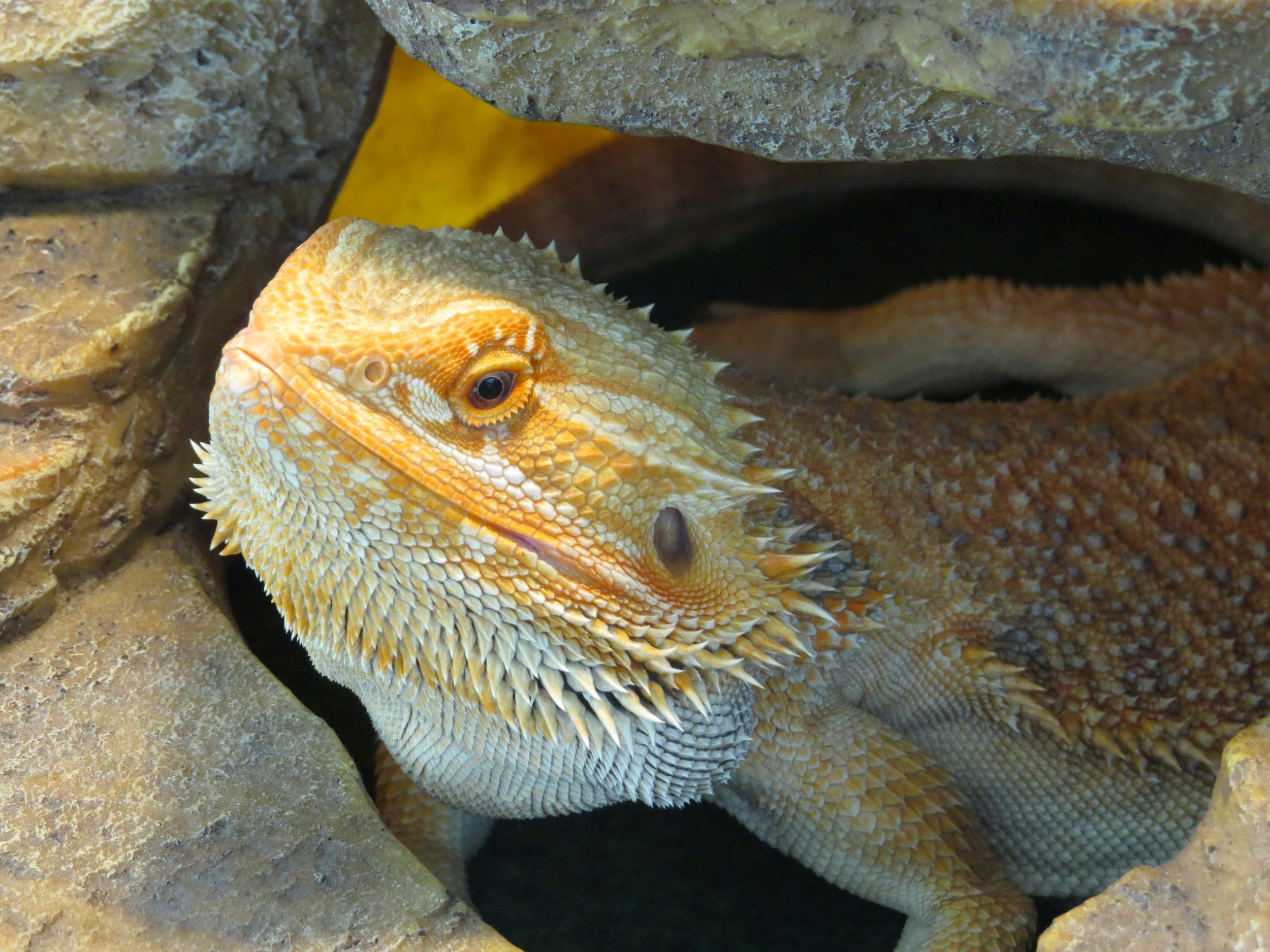
Bearded dragons (Pogona barbata)
Blue‑tongued skinks (Tiliqua scincoides, T. nigrolutea)
Eastern water dragons (Intellagama lesueurii)
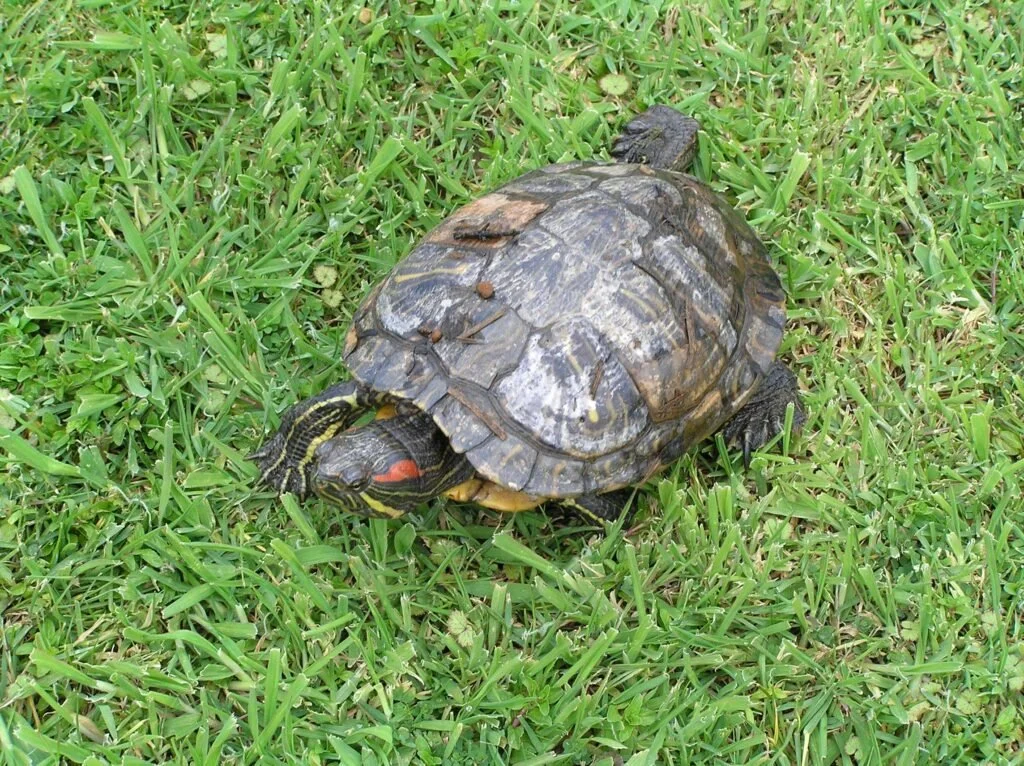
Red‑eared slider turtles (Trachemys scripta elegans & subspecies)
Snake‑neck turtles (Chelodina longicollis)
-
Brown bullhead catfish (Ameiurus nebulosus)
Gambusia / mosquito fish (Gambusia affinis)
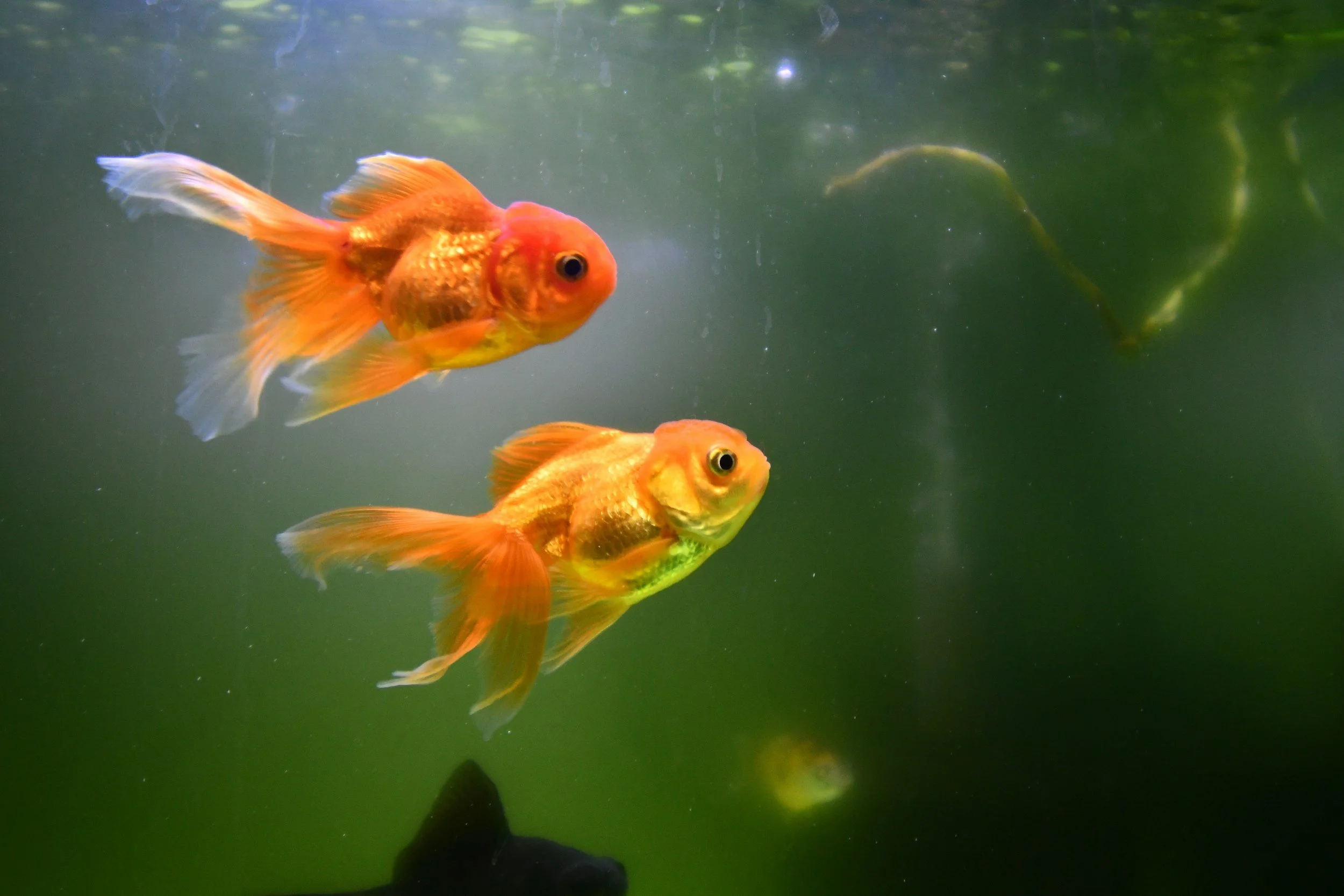
Pest goldfish (any not in secure containment) (Carassius auratus)
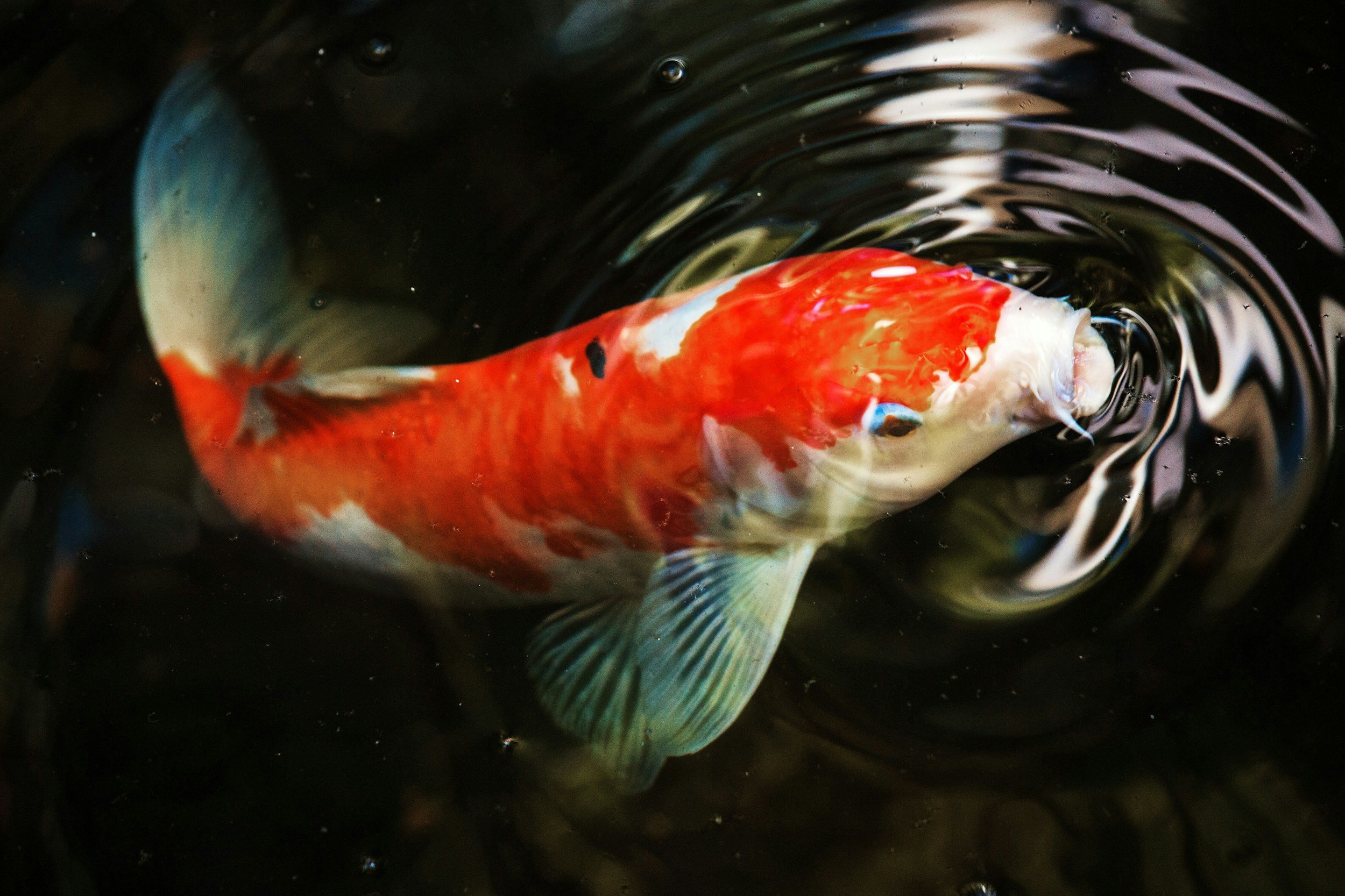
Koi carp (Cyprinus carpio)
Perch (Perca fluviatilis)
Rudd (Scardinius erythrophthalmus)
Tench (Tinca tinca)
-
Canadian goose (Branta canadensis)
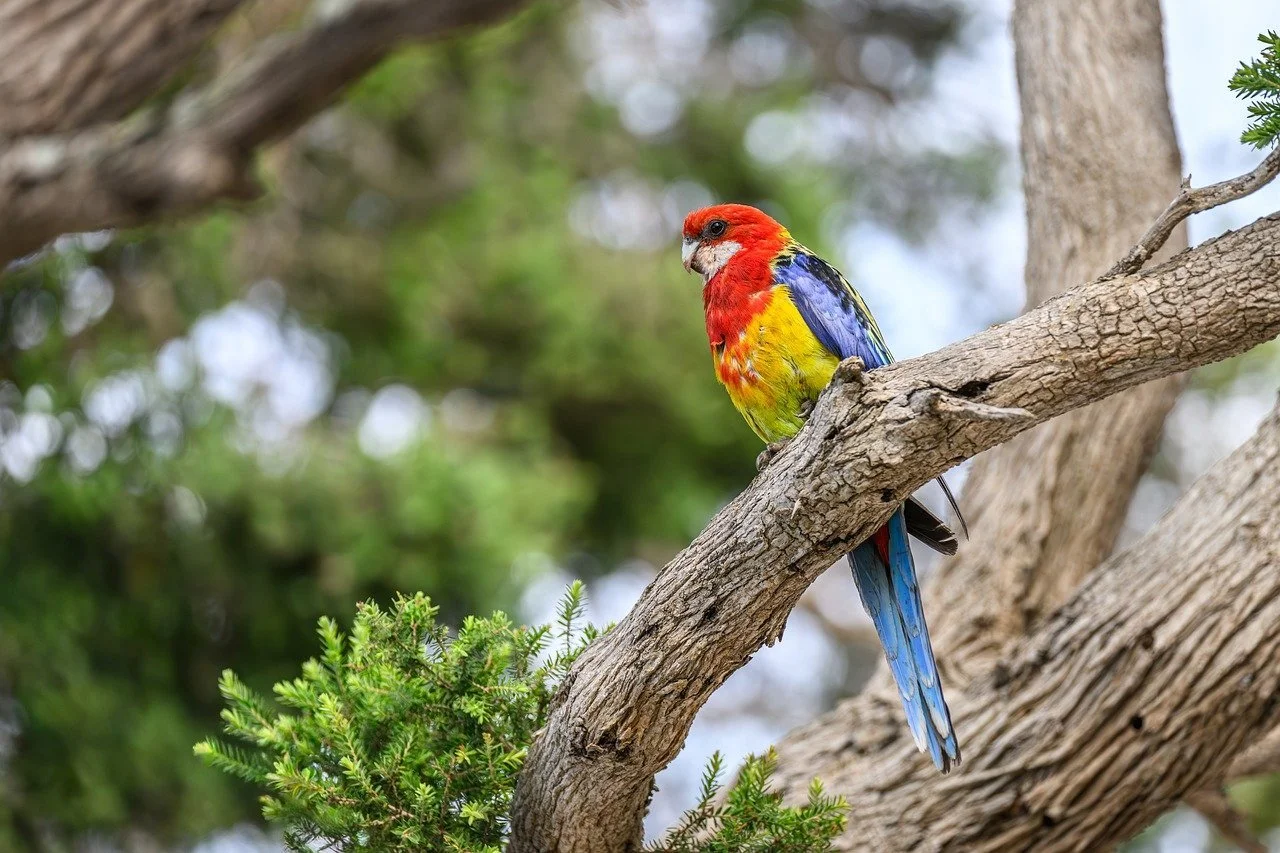
Eastern rosella (Platycercus eximius)
Galah (Eolophus roseicapillus)
Indian ring‑necked parakeet (Psittacula krameri)
Monk parakeet / Quaker parrot (Myiopsitta monachus)
Rainbow lorikeet (Trichoglossus haematodus)
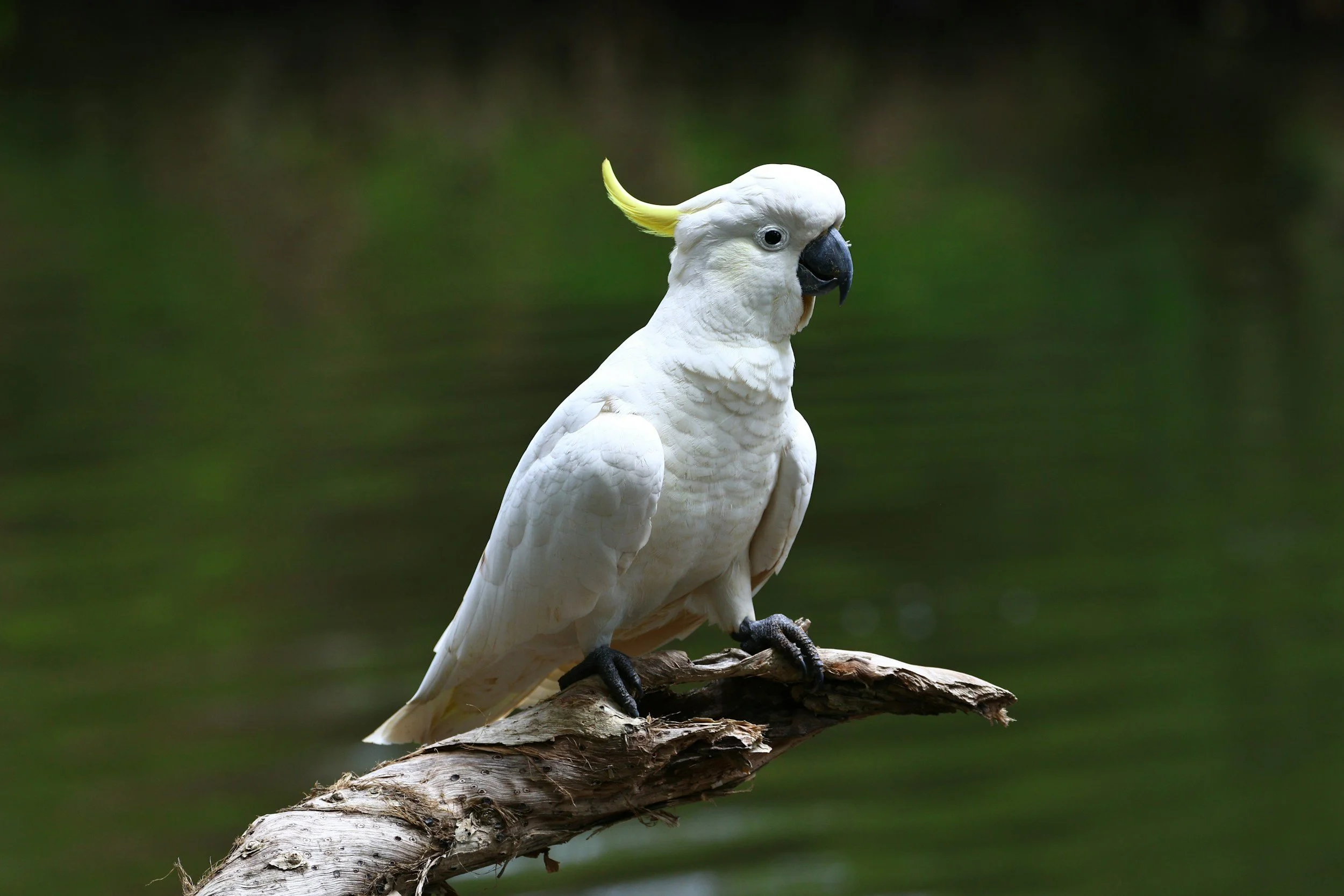
Sulphur‑crested cockatoo (Cacatua galerita)
-
· Leave your pets at home.
· Please do not bring freshwater fish (including goldfish) or turtles to Aotea.
· If you already own a pet turtle or goldfish on Aotea, ensure it is securely contained to avoid accidental escapes and never empty an aquarium into a waterway.
· If you are no longer able to look after your pet, find someone who is prepared to give it a forever home.
Releasing your freshwater pets into the wild will put our native species at risk.
Restricted Animals on Aotea
-
![Red-eared slider turtle]()
Red-eared slider turtle
-
![Pest Goldfish]()
Pest Goldfish
-
![Eastern Rosella]()
Eastern Rosella
-
![Bearded dragons]()
Bearded dragons
-
![Sulphur‑crested cockatoo]()
Sulphur‑crested cockatoo
-
![Koi carp]()
Koi carp