

Conservation
on Aotea
Photo: Renee Freeland
Aotea: A Living Tapestry of Ecosystems
Ko Aotea tētahi o ngā wāhi hihiko mō te kanorau koiora i Tāmaki Makaurau.
Aotea is one of Auckland’s most significant biodiversity gems, home to an extraordinary range of interconnected ecosystems found nowhere else.
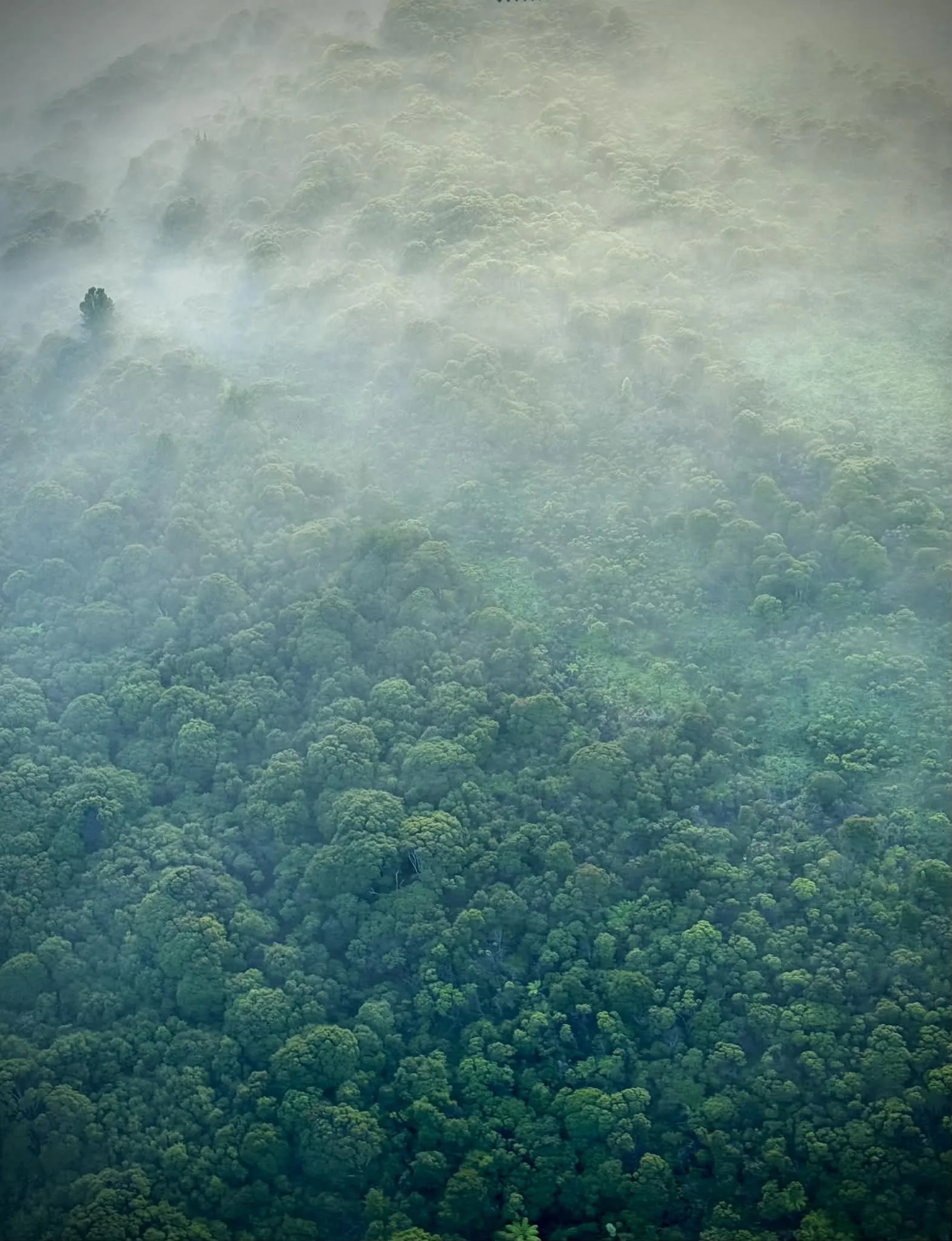
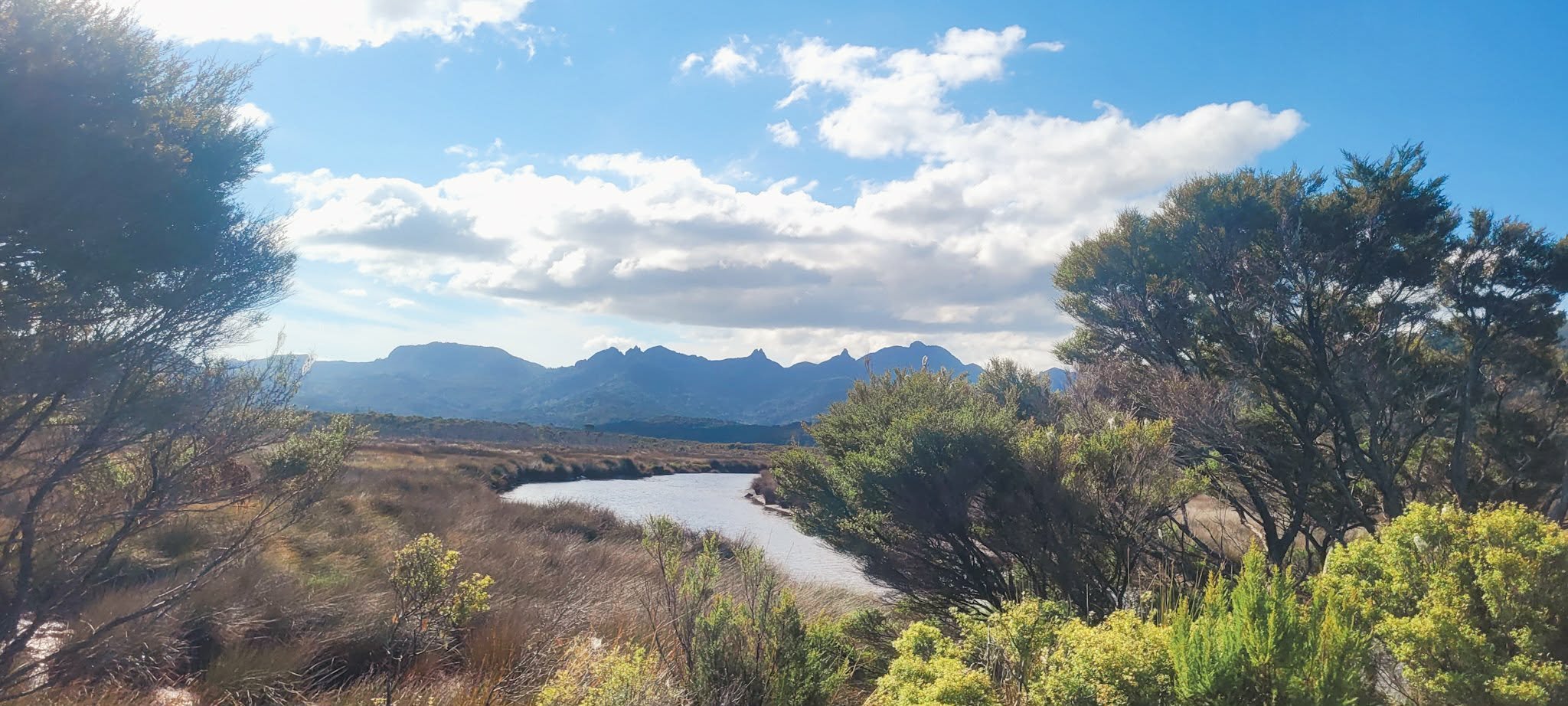
From the surrounding marine environment to wetlands, coastal and lowland forests, the island’s ecology rises through rugged landscapes to mist-cloaked cloud forests surrounding the peaks of Hirakimata (627 m) and Tataweka (526 m).

-
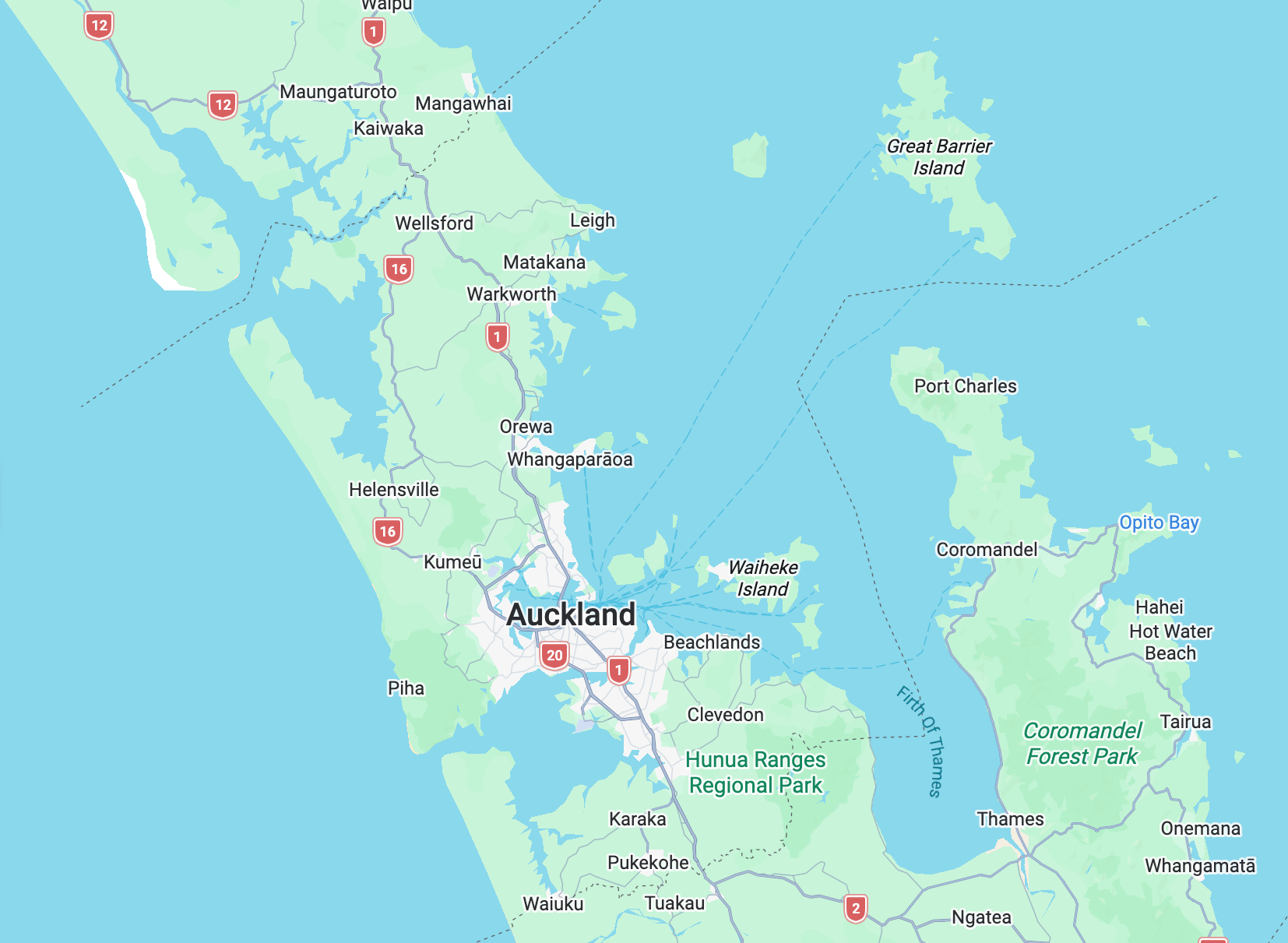
It is New Zealand’s fourth-largest island and the largest in Tīkapa Moana – Te Moananui-ā-Toi / the Hauraki Gulf. Spanning 285 km², much of the island remains protected, with over 12,000 hectares forming Aotea Conservation Park.
Aotea sits within a vital ecological corridor connecting ocean, coast, and forest in a continuous ridge-to-reef ecosystem, beneath an internationally recognised Dark Sky Sanctuary.
Where We Are
-
Much of Aotea’s landscape was shaped by natural volcanic origins and later altered through human activity, including burning, logging, mining, stream damming, wetland drainage, and introduced pests. Although pockets of original forest survived in areas that were not burnt or milled, extensive habitat modification reshaped large parts of the island.
Ecosystems of native vegetation were further depleted by heavy goat and pig infestations, which suppressed forest regeneration for decades. Following the successful eradication of goats in 1992, the forest began a strong recovery. Today, native vegetation is steadily regenerating, ecosystems are rebuilding, and habitat is being restored for Aotea’s unique wildlife.
A Landscape Shaped By Change
A Unique Stronghold For Native Species
-
Nearly half of Aotearoa’s vascular plant species are found here.
Aotea is globally significant for seabirds, with several species breeding only here in significant numbers.
It is the second-largest possum-free island in New Zealand.
The island is free from several other major mainland pests, including mustelids, hedgehogs, and Norway rats.
Its diverse and remote natural landscapes, combined with predator management efforts, make Aotea a crucial refuge for many endemic New Zealand species.
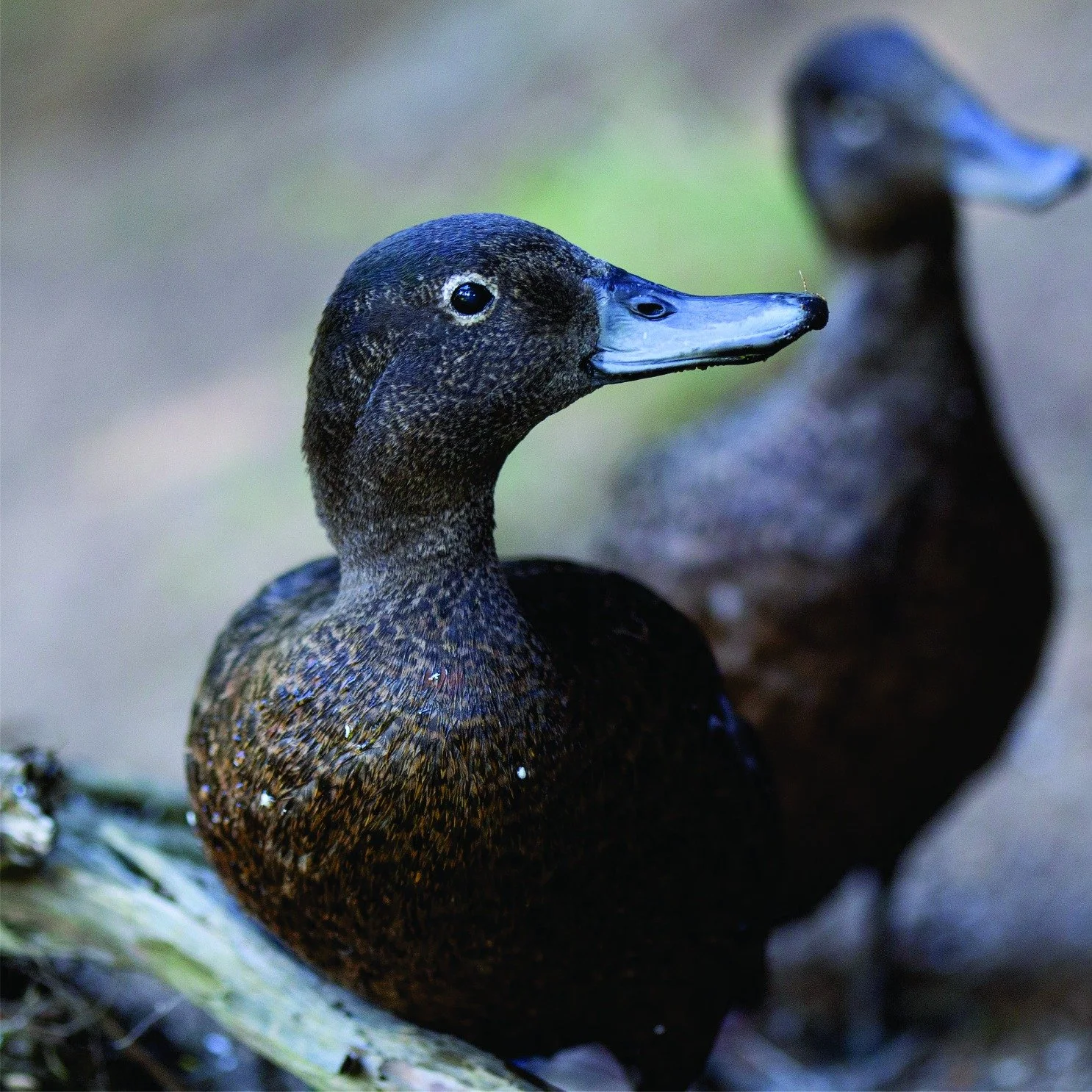
Aotea is a forest and ecological stronghold for native biodiversity, including birds, skinks, insects, frogs, and rare plants.
The surrounding waters form part of a marine species highway used by whales, dolphins, and oceanic birds.
The island remains a biodiversity refuge due to its relatively small range of predators and other introduced pests.
Some introduced species are still present — including feral cats, ship rats, kiore, and feral pigs — and ongoing management is essential to protect vulnerable ecosystems and wildlife.
Protecting and restoring these ecosystems helps safeguard the biodiversity and mauri of Aotea for generations to come.
Caring for Aotea, Together
Protecting Aotea’s environment requires local knowledge, long-term commitment, and strong collaboration.
Across the island, residents, landowners, volunteers, iwi, trusts, Auckland Council, and the Department of Conservation work year-round to protect wildlife and restore habitats — all striving for a future where people and place thrive (Tū Mai Taonga).
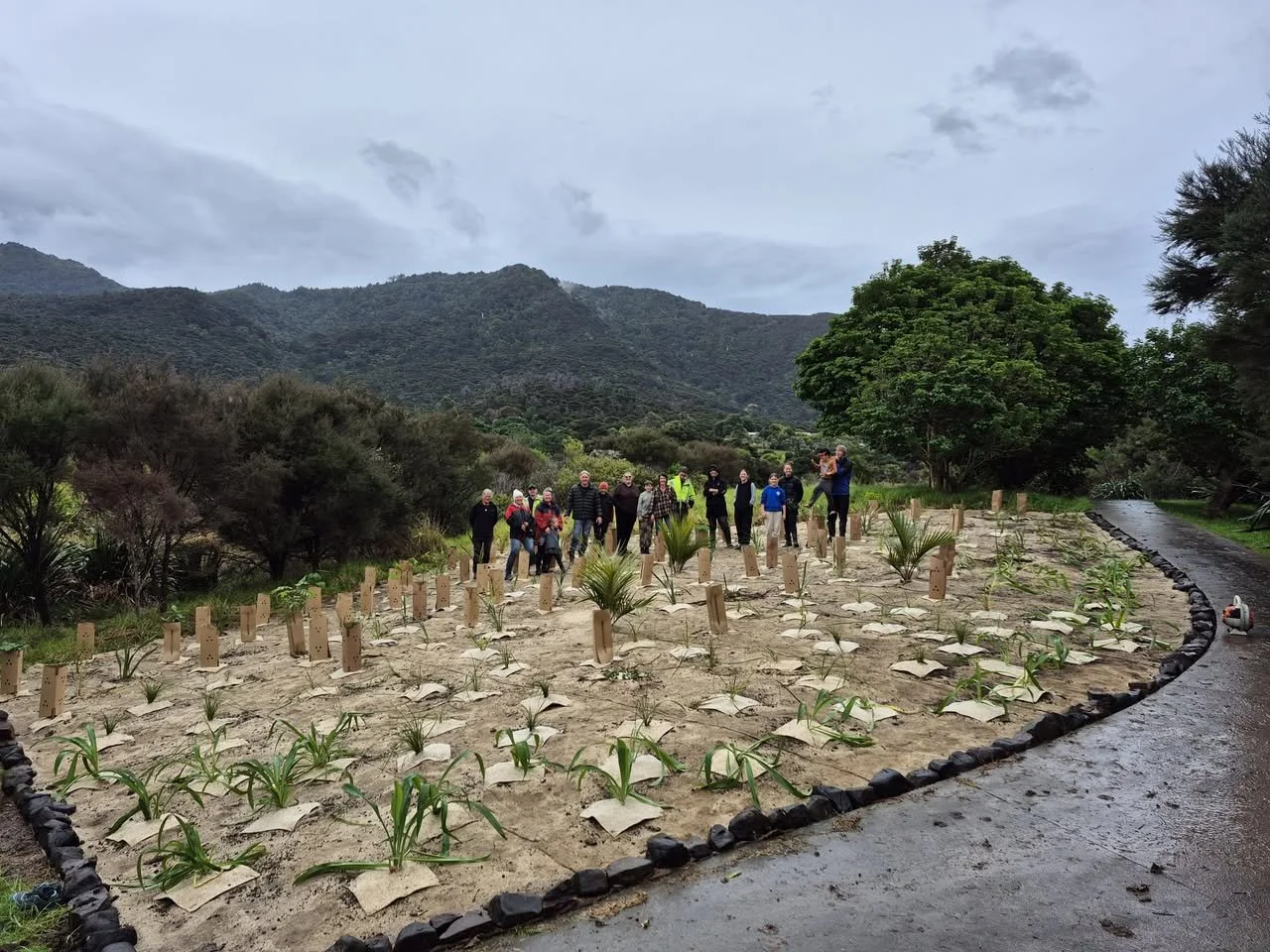
Explore What’s Happening on Aotea
Discover conservation projects, community groups, and restoration efforts happening across the island.
Know The Biosecurity Risks?
Test Your Knowledge.
The Aotea Pest Pathways Awareness Quiz helps visitors and residents better understand biosecurity risks and how to reduce them. It also provides valuable insight into where awareness may be lacking, helping improve future education and resources.