

Avian flu Information for Aotea
Highly Pathogenic Avian Influenza (HPAI) H5N1 or bird flu Information for Aotea / Great Barrier Island
H5 bird flu (H5N1 avian influenza clade 2.3.4.4b) is a contagious viral disease that can affect both domestic and wild birds. It causes severe clinical signs and high mortality rates in birds.
For more information visit: www.mpi.govt.nz/bird-flu
Here’s some useful information for Aotea / Great Barrier Island residents and visitors on reporting bird flu, what to do if you encounter a sick, dying or dead bird, and practicing good biosecurity habits.
What’s HPAI H5N1 / bird flu?
Bird flu is a serious contagious disease that primarily affects birds, resulting in a range of symptoms, including mass mortality in some species.
While mainly a bird disease, it can also infect both land-based and marine mammal species, where they come into contact with infected wild birds or contaminated materials. The risk to human health is low.
Infection can occur from touching sick or dead birds, bird faeces or other infected animals. This means that people should not touch or move sick or dead wild birds.
Reporting bird flu
If you see three or more sick or dead wild birds in a group, report it to the exotic pest and disease hotline on 0800 80 99 66 from anywhere in New Zealand. You can also report online at www.report.mpi.govt.nz.
Do not handle or move the wildlife.
If you report online, select the ‘dead or dying wild birds’ option from the dropdown list and then the type of bird you have found.
Provide as much detail as you can, including:
● common name or species of sick or dead bird if known
● how many are sick or freshly dead, and the total number of birds present
● a GPS reading or other precise location information, photographs and videos of sick and dead birds.
The Ministry for Primary Industries (MPI) will contact notifiers if more information is required.
Practice good biosecurity
Stay away from sick or dead wildlife and keep pets away too. Keep your dog on a lead.
If your dog is attracted to birds, keep them on a lead. There are regular free bird avoidance training sessions on the island, look out for information on these.
Wash your hands and clean your gear after being outdoors. If you have bird feeders or troughs in your garden, consider removing them for now.
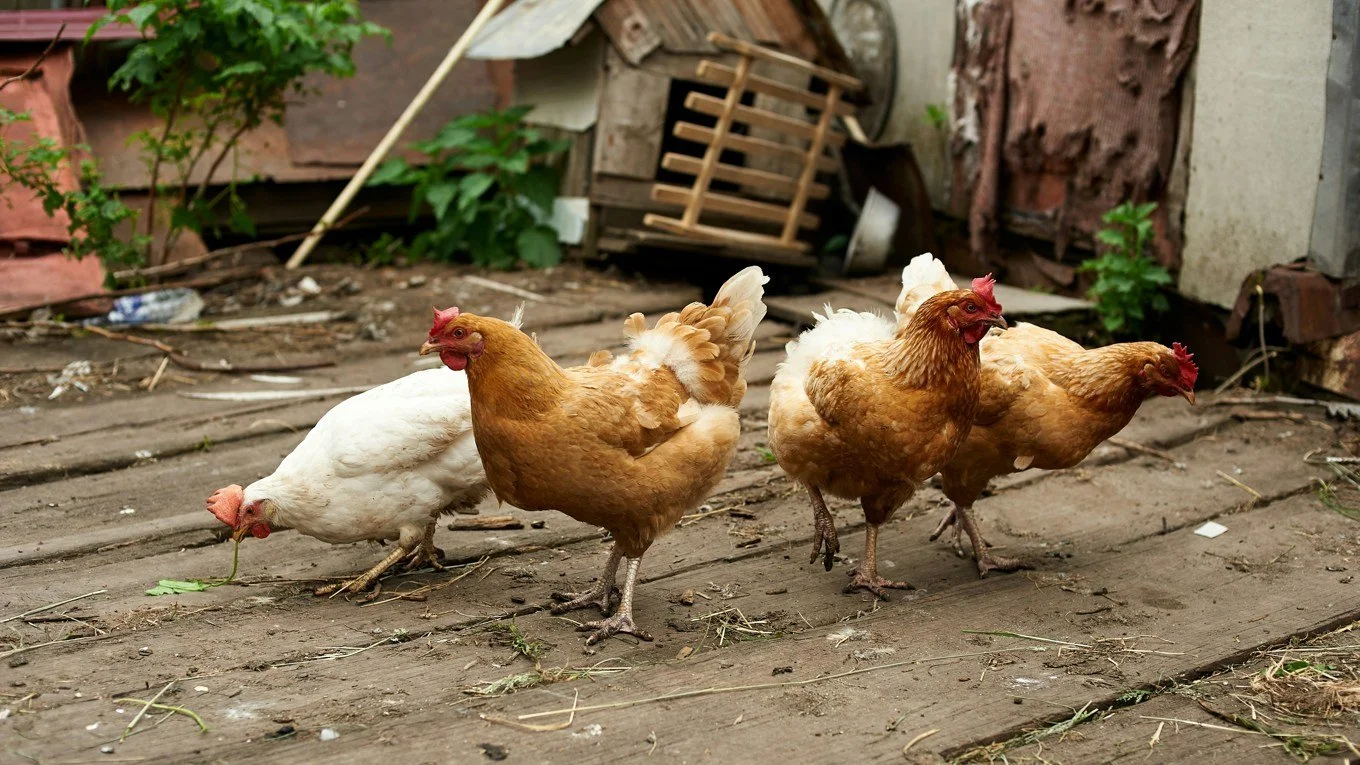
If you have chickens, consider how you might keep them contained, safe, and healthy if bird flu is detected on the island. You can find more information on backyard birds on MPI’s website: mpi.govt.nz/bird-flu
If you encounter a sick or injured bird
Do not handle or remove the bird.
If you find a bird that you think is injured rather than sick, and you are considering taking it to Aotea / Great Barrier Island’s local bird rescuer, Karen Walker – please do not touch the bird. Phone Karen first for advice on (09) 4290 478 or 027 205 3197.
Remember – if there are three or more, report it directly to MPI via the exotic pest and disease hotline on 0800 80 99 66 or online at www.report.mpi.govt.nz
MPI experts are triaging public notifications based on internationally recognised processes for assessing H5 bird flu risk – multiple unwell or dead birds, certain species (sea birds, waterfowl, birds that congregate in large groups), and certain locations will take priority.
International experience shows this approach will more quickly build an accurate picture of H5 bird flu than investigating single bird finds or species that are less likely to be of immediate concern.
For more information visit MPI’s website: www.mpi.govt.nz/hpai
You can also find further information on Ecology Vision’s website: www.ecologyvisiongbi.nz
To download the PDF, click here.
