

Avian Flu: A Notice from Auckland Council
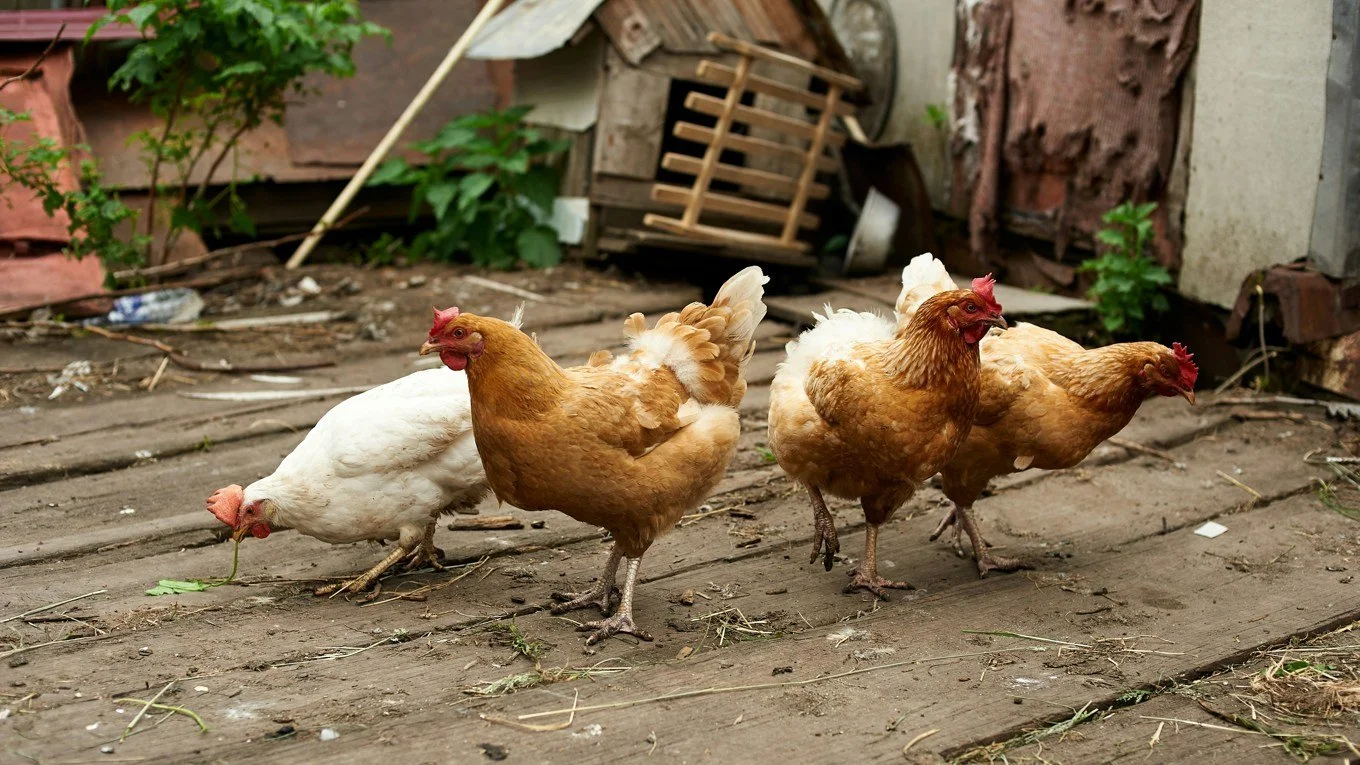
A notice from Auckland Council Natural Environment Delivery team:
The Ministry for Primary Industries (which is the lead agency) has confirmed Highly Pathogenic Avian Influenza (HPAI) H5N1 in New Zealand – see the announcement here:
https://www.beehive.govt.nz/release/h5-bird-flu-confirmed-new-zealand
Highly Pathogenic Avian Influenza (HPAI or bird flu) is a viral disease found in birds across the world. The most worrying strain, H5N1, has now been detected in Aotearoa – in a single ocean-going seabird in Wellington.
This means that even though we’re doing our best to keep it at bay, it’s likely it will arrive in Auckland via these seabirds.
Auckland Council’s approach
We have been working with government agencies, other councils and iwi to plan for the virus and minimise its impact if it reaches the region.
Please share: You can read more about our approach and what Aucklanders can do on Our Auckland, and we encourage you to share this on your own channels, too:
https://ourauckland.aucklandcouncil.govt.nz/news/2026/07/one-for-the-birds-how-auckland-is-getting-ready-for-bird-flu/
Most importantly we’re asking everyone: if you find an unusual number of dead or sick birds (three or more), please call the exotic pest and disease hotline hotline on 0800 80 99 66. Do not touch/handle the birds. Find out more at: mpi.govt.nz/hpai
What is HPAI H5N1 / bird flu?
Bird flu is a serious contagious disease that primarily affects birds, resulting in a range of symptoms, including mass mortality in some species.
While mainly a bird disease, it can also infect both land-based and marine mammal species, where they come into contact with infected wild birds or contaminated materials. The risk to human health is low. It remains rare for humans to be infected, and the disease is generally only found in people who have had a lot of close contact with infected birds or other infected animals.
Infection can occur from touching sick or dead birds or bird faeces. This means that people should not touch or move sick or dead wild birds.
How we’re getting ready
The Ministry for Primary Industries, the Department of Conservation, the Ministry of Health, and Health New Zealand have been working together with industry and local councils to get ready.
Auckland Council's role will include helping keep communities informed, supporting public safety measures, sharing messages from government agencies and managing any impacts on council land like parks and reserves.
What you can do
One of the most noticeable signs of bird flu is the swift death of multiple birds in a group.
If you see three or more sick or dead wild birds in a group, report it immediately to the exotic pest and disease hotline on 0800 80 99 66.
One of MPI’s specialist biosecurity investigators will assess the information and advise you – don’t handle or move the birds.
Provide as much detail as you can, including:
a GPS reading or other precise location information
photographs and/or videos of sick and dead birds
species name and estimate of the numbers affected
how many are sick or freshly dead, and the total number of birds present.
If you own birds – including chickens, ducks, show birds or pets – you can take steps now to protect them with good biosecurity and hygiene practices.
Full advice for bird owners, farmers and more is available at mpi.govt.nz/bird-flu.
